
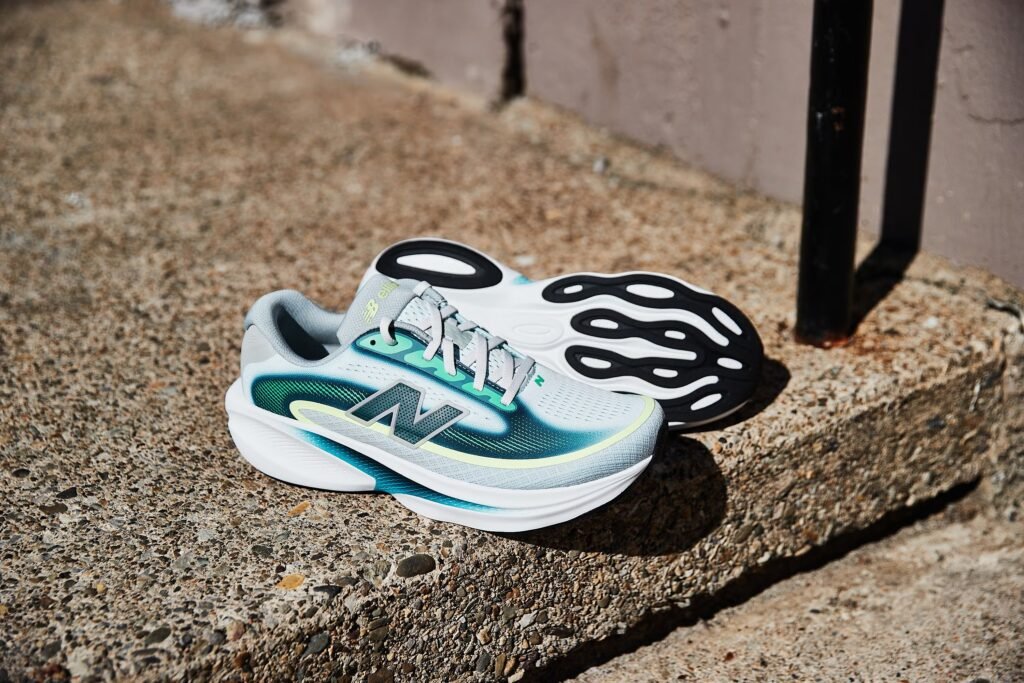
If you’ve decided to start running, the single best thing you can buy is a decent pair of shoes. Not a watch. Not compression socks. Shoes.
I know how confusing that first shopping trip feels. Every brand claims to have the softest foam, the smartest support, the lightest build. Meanwhile you just want something that doesn’t make your feet ache two miles in.
So I did the digging for you. Based on my research across brand spec sheets, verified customer feedback on Amazon, and the general consensus from trusted running publications and specialty shoe reviewers, I put together this list of the best running shoes for beginners in 2026.
One thing before we start: I haven’t personally run in these shoes, and I’m not going to pretend otherwise. What I’ve done is compare the available options carefully and filter out the ones that don’t make sense for someone new to running. Fit and comfort are personal, so treat this as a shortlist to try — not a verdict.
Let’s get into it.
6 Best Running Shoes for Beginners in 2026
- 👟 1. Brooks Ghost 16 — Best Overall
- 🏃 2. ASICS Gel-Contend 8 — Best Budget Pick Under $100
- ☁️ 3. HOKA Clifton 9 — Best Cushioned Running Shoe for Beginners
- 🦶 4. New Balance Fresh Foam X 880v14 — Best for Wide Feet and Daily Running
- 🛡️ 5. Brooks Adrenaline GTS 23 — Best Supportive Running Shoe for Beginners
- ⚡6 . Saucony 19 Ride
Comparison Table
| Product | Cushioning | Drop | Best For | Price Range |
|---|---|---|---|---|
| Brooks Ghost 16 | Balanced / soft | 12 mm | Best overall for new runners | $$ |
| ASICS Gel-Contend 8 | Moderate | ~10 mm | Budget buyers, walking + running | $ |
| HOKA Clifton 9 | Maximum | 5 mm | Extra cushioning, heavier runners | $$$ |
| New Balance Fresh Foam X 880v14 | Balanced | 6 mm | Wide feet, daily running | $$ |
| Brooks Adrenaline GTS 23 | Balanced + support | 12 mm | Runners who want stability | $$ |
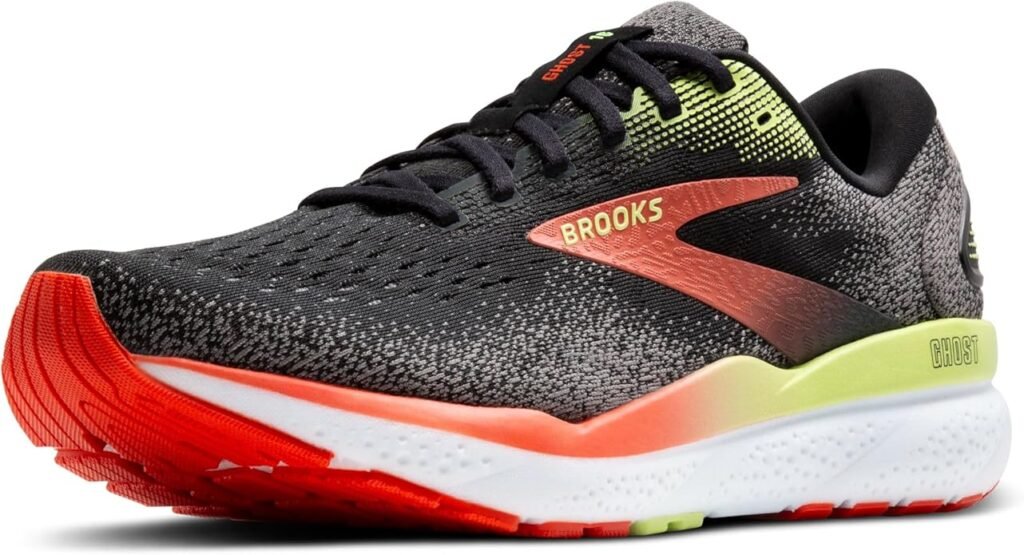
👟 1. Brooks Ghost 16 — Best Overall
If someone asked me to name one safe pick for a first pair of running shoes, this is it. The Ghost line has been Brooks’ bestseller for years, and the reason is boring in the best way: it does nothing weird.
The Ghost 16 uses nitrogen-infused DNA LOFT v3 foam, which is softer than the older Ghost midsoles without feeling mushy. The 12 mm heel-to-toe drop suits heel strikers, and most beginners land on their heels.
In my opinion, the real advantage is the width options. Brooks offers the Ghost in narrow, standard, wide and extra-wide, which is unusual at this price and solves the number one beginner complaint — cramped toes.
Key Features
- Nitrogen-infused DNA LOFT v3 midsole
- 12 mm heel-to-toe drop
- Neutral shoe (no added stability structure)
- Engineered air mesh upper for breathability
- Available in multiple widths, including wide and extra-wide
- Built for road running and treadmill use
Best For
First-time runners, daily runners, heel strikers, and anyone who wants a shoe that works for road running, treadmill sessions, and long walks without fuss.
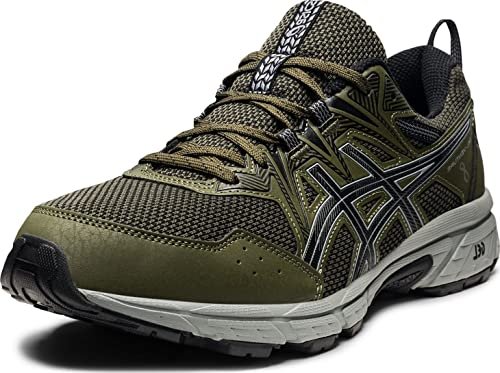
🏃 2. ASICS Gel-Contend 8 — Best Budget Pick Under $100
Not everyone wants to spend $150 before they know whether running will stick. That’s completely reasonable, and this is where I’d start.
The Gel-Contend 8 is ASICS’ entry-level trainer. It uses an AmpliFoam midsole with rearfoot GEL cushioning, and it typically sells well under $100 — often closer to $60–$70 depending on the colorway.
Let me be straight about the trade-off: this is a simpler shoe than the others on this list. The foam isn’t as advanced and it won’t hold up as long under heavy mileage. But for someone doing two or three 20-minute runs a week, plus walking, it’s plenty.
After comparing the available options in this price bracket, I’d consider it the best value entry point for anyone testing the waters.
Key Features
- AmpliFoam midsole with rearfoot GEL technology
- Approximately 10 mm heel-to-toe drop (verify on the listing for your size and version)
- Neutral shoe
- Mesh upper for airflow
- Wide widths available in many colorways
- Suited to road running, treadmill, and walking
Best For
Budget buyers, beginner fitness walkers, treadmill users, people running two or three short sessions a week, and anyone who isn’t sure yet whether running will become a habit.
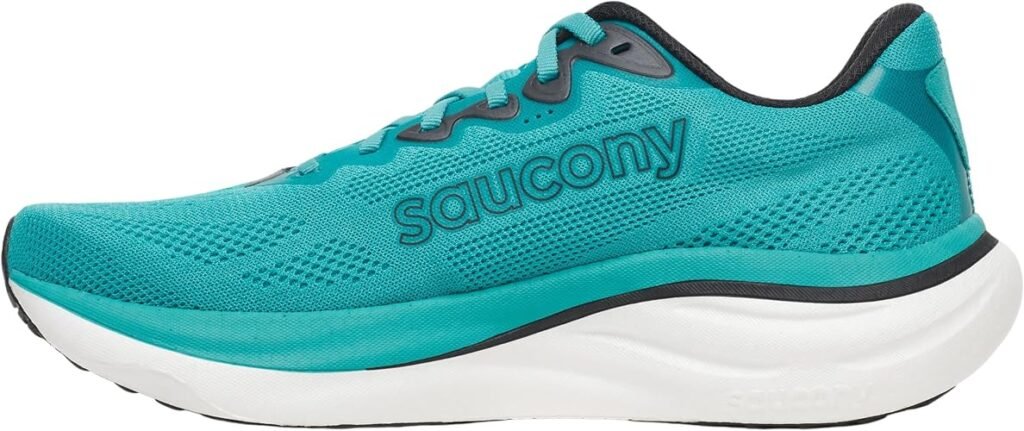
⚡3. Saucony 19 Ride
Saucony 19 is made for runners who want a comfortable shoe that feels good from the first step to the last. It has a soft, well cushioned sole that helps take the edge off each landing, while the lightweight build keeps your feet from feeling weighed down. The fit feels secure around the foot, making it suitable for daily runs, jogging, walking and regular workouts.
The breathable upper allows air to move around the foot, helping you stay more comfortable during longer sessions. Its outsole offers a dependable grip for everyday roads and common surfaces, while the overall build gives you a good mix of comfort, support and durability. If you want one pair that works for running as well as everyday wear, Saucony 19 is a practical choice.
Key Features
- Soft Cushioning Gives your feet a comfortable feel and helps reduce pressure with every step.
- Secure Fit Holds the foot comfortably without feeling too tight.
- Lightweight Build Keeps the shoe easy to wear and comfortable during movement.
- Good Support Helps keep your feet steady while running or walking.
- Breathable Upper Allows better airflow to help keep your feet feeling fresh.
Best For
Daily Running, Jogging, Long Walks, Gym & Everyday Wear
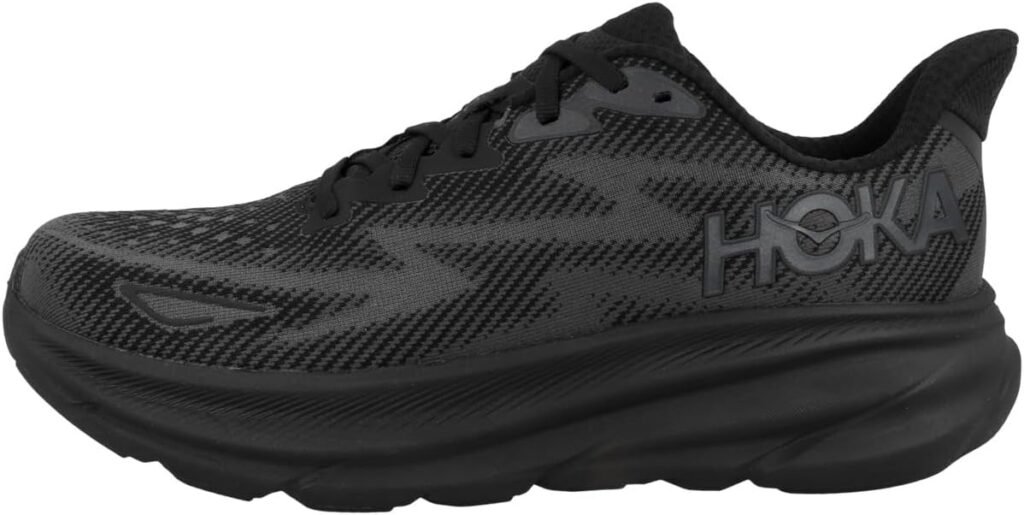
☁️ 4. HOKA Clifton 9 — Best Cushioned Running Shoe for Beginners
Some beginners want maximum softness underfoot, especially if they’re running on concrete, carrying extra weight, or coming back to exercise after years off. That’s the Clifton’s whole personality.
The Clifton 9 is HOKA’s most popular everyday trainer. It has a thick compression-molded EVA midsole, a 5 mm drop, and — surprisingly for how tall it looks — it’s fairly light at roughly 8.7 oz in a men’s US 9.
An important note on versions: HOKA has since released the Clifton 10, and the geometry and drop differ between them. I’m specifically describing the Clifton 9 here. If you’re looking at a newer model, check its own spec sheet rather than assuming they match.
Key Features
- Compression-molded EVA midsole with plush stack height
- 5 mm heel-to-toe drop
- Neutral shoe
- Approx. 8.7 oz (men’s US 9)
- Breathable engineered knit upper
- Wide widths offered in select colorways
- Road running, treadmill, and long walks
Best For
Runners who want extra cushioning, heavier runners, people running mostly on pavement, walkers, and anyone whose feet or legs feel beaten up in firmer shoes.
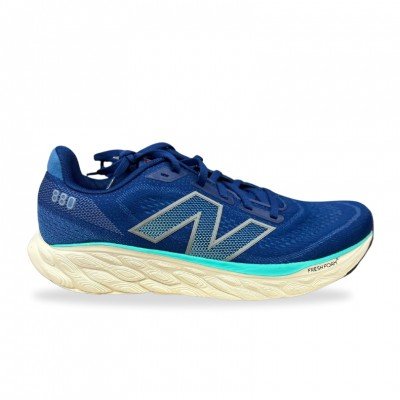
🦶 5. New Balance Fresh Foam X 880v14 — Best for Wide Feet and Daily Running
New Balance has the deepest width range in the business, and the 880 is their classic no-nonsense daily trainer. If your feet are wide and you’ve spent years feeling squeezed, start here.
The 880v14 uses Fresh Foam X midsole foam with a 6 mm drop. It’s a neutral shoe, not a stability one, so it’s a good fit for runners who don’t need extra correction but do need room.
Based on my research, this is the pick I’d point most people toward if their main problem is fit rather than cushioning. Widths run up to 4E for men and 2E for women, depending on the colorway.
Key Features
- Fresh Foam X midsole
- 6 mm heel-to-toe drop
- Neutral shoe
- Approx. 9.4 oz (men’s US 9)
- Engineered mesh upper
- Available in multiple widths, including wide and extra-wide
- Road running, treadmill, daily training
Best For
Runners with wide feet, daily runners building consistent mileage, road runners, and anyone who’s been told their toes need more room.
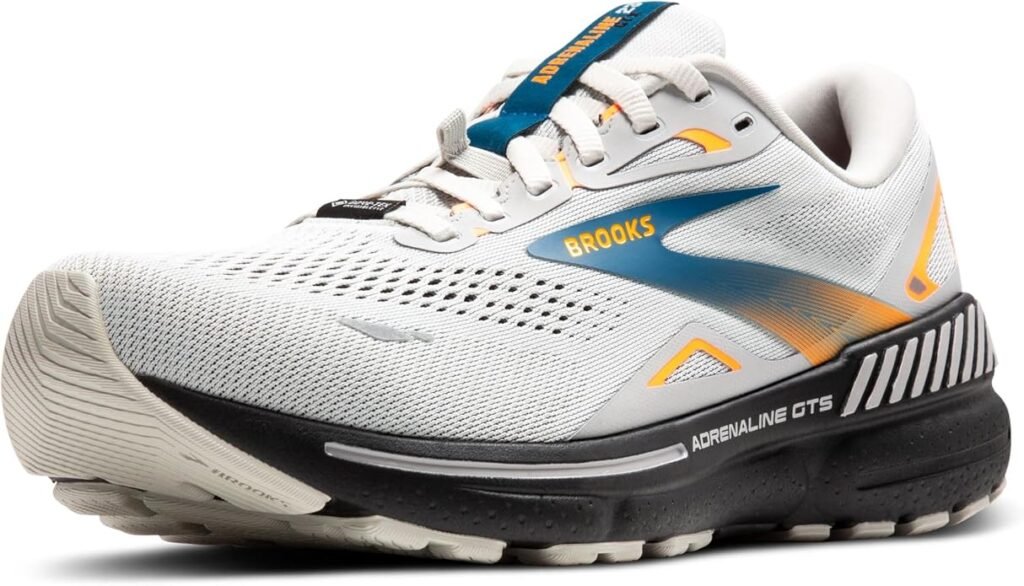
 6. Brooks Adrenaline GTS 23 — Best Supportive Running Shoe for Beginners
A lot of new runners notice their ankles rolling inward, or they’ve been told they have flat feet or low arches. This is the category to look at — a stability shoe.
The Adrenaline GTS 23 uses Brooks’ GuideRails system, which sits alongside the heel and limits excess side-to-side movement rather than propping up the arch. It has DNA LOFT v2 cushioning and a 12 mm drop, so the underfoot feel is close to the Ghost, just with more structure.
Two honest caveats. First, not every flat-footed runner needs a stability shoe — plenty do fine in neutral shoes. Second, no shoe prevents injuries, and I’d be skeptical of anyone who tells you otherwise. If you have pain or a diagnosed foot condition, talk to a podiatrist or a physical therapist rather than shopping your way out of it.
Key Features
- GuideRails holistic support system
- DNA LOFT v2 midsole cushioning
- 12 mm heel-to-toe drop
- Stability shoe (not neutral)
- Engineered mesh upper
- Available in wide and extra-wide widths
- Road running and treadmill
Best For
Runners who want extra stability, people whose ankles collapse inward, runners returning after a long break, and anyone who feels wobbly in soft neutral shoes.
Buying Guide: What Beginners Should Actually Look For
What should a beginner look for in running shoes?
Beginners should look for comfortable cushioning, a secure heel, and enough room in the toe box — roughly a thumb’s width past the longest toe. A neutral daily trainer works for most new runners. Fit matters more than brand, foam technology, or price, so prioritize how the shoe feels on your foot.
Cushioning: how much do you need?
More isn’t automatically better, but for beginners, moderate-to-generous cushioning is usually the more forgiving choice. New runners tend to land harder and with less efficiency, and softer foam takes some of the edge off that.
If you’re mostly on concrete sidewalks, lean toward more cushioning. Treadmill runners can get away with less, since the belt already absorbs impact.
Heel-to-toe drop, in plain English
Drop is the height difference between the heel and the forefoot. A 12 mm drop feels traditional and suits heel strikers. A 4–6 mm drop puts more work on your calves and Achilles.
For a first pair, I’d stay in the 6–12 mm range. There’s no reason to complicate things.
Neutral vs. stability shoes
Neutral shoes have no added support structure — they suit most runners. Stability shoes add features like guide rails or firmer foam to limit inward ankle roll.
If you don’t know which you need, start neutral. Only move to stability if you notice a clear inward collapse or a specialty running store recommends it.
Wide feet, flat feet, and high arches
For wide feet, brands like New Balance and Brooks offer 2E and 4E widths. Buy the wider version rather than sizing up in length.
For flat feet or low arches, a stability shoe is worth trying, though it isn’t mandatory.
For high arches, cushioned neutral shoes generally feel better than firm ones.
I’ll say this plainly: foot shape guidance is general, and comfort varies a lot from person to person. What works for a friend may feel wrong on you.
Frequently Asked Questions
What are the best running shoes for beginners? Based on my research, the Brooks Ghost 16 is the best all-around pick for most beginners thanks to its balanced cushioning and wide fit range. The ASICS Gel-Contend 8 is the best budget option, the HOKA Clifton 9 offers the most cushioning, the New Balance 880v14 is best for wide feet, and the Brooks Adrenaline GTS 23 is the best stability choice.
Are cushioned running shoes better for beginners? Usually, yes. Cushioned shoes are more forgiving for runners who haven’t built up strength or efficient form yet, and they’re more comfortable on pavement. That said, extremely soft shoes can feel unstable to some people, so comfort should be the deciding factor.
What running shoes are best for daily running? For daily running, I’d choose the Brooks Ghost 16 or the New Balance Fresh Foam X 880v14. Both are built as everyday trainers with durable outsoles and enough cushioning for consistent mileage.
Which running shoes are best for treadmill use? Any of the five work on a treadmill. Lighter, more breathable shoes like the HOKA Clifton 9 or the ASICS Gel-Contend 8 are comfortable indoors, where heat builds up and you don’t need aggressive outsole grip.
Can I run in regular sneakers? You can, but I wouldn’t. Fashion sneakers and cross-trainers lack the cushioning and heel structure designed for repetitive forward impact, which tends to leave your feet and shins sore.
Do men and women need different running shoes? Most models come in men’s and women’s versions with different last shapes and sizing. Women’s versions typically have a narrower heel. All five picks here are available in both.